Pakistan Approves Donkey Meat and Hide Exports to China Through Gwadar
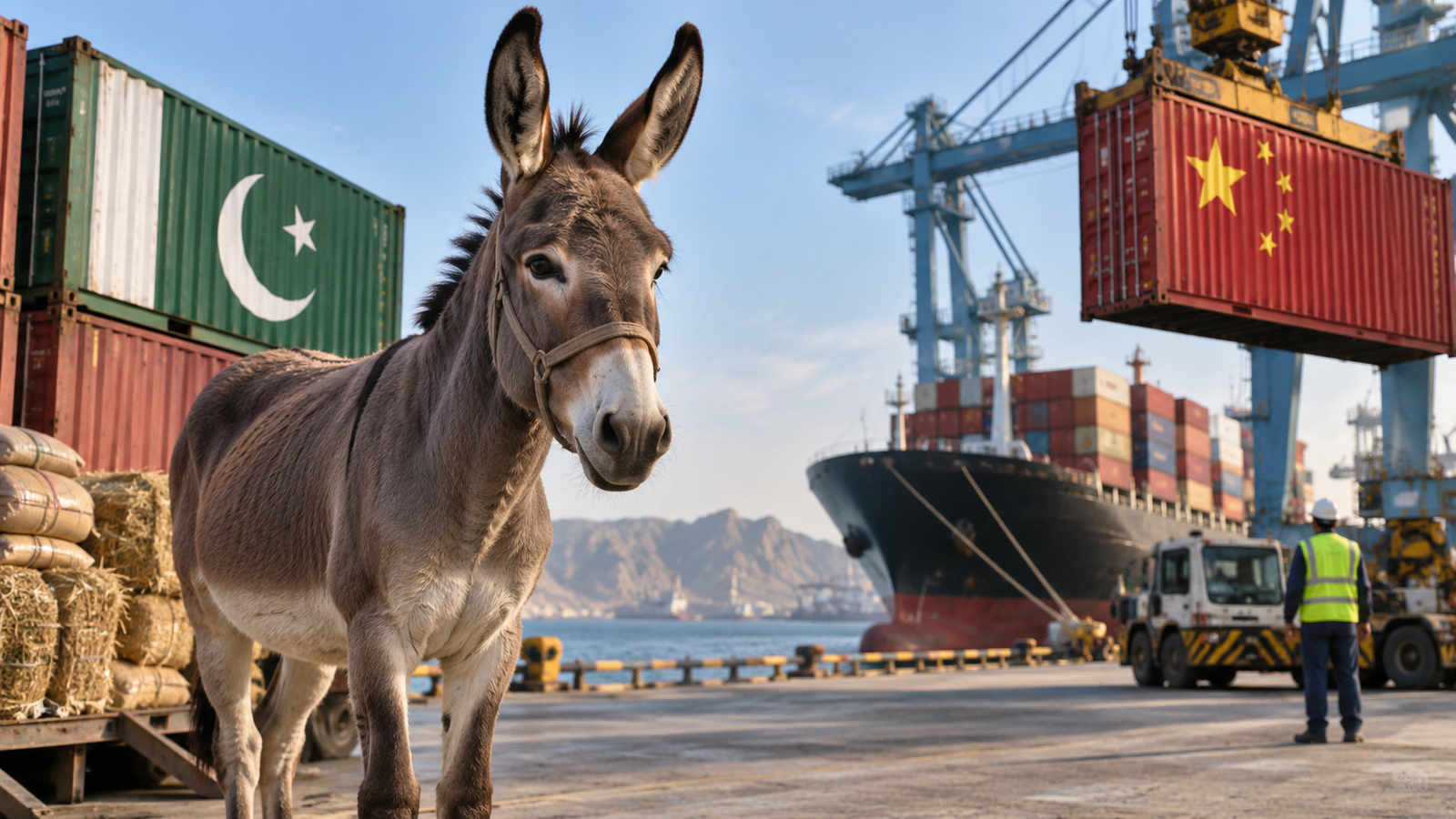
Pakistan has moved ahead with regulated exports of donkey meat and hides to China, with the government approving safeguards for shipments from the Gwadar Free Zone.
The Economic Coordination Committee of the Cabinet, chaired by Finance Minister Senator Muhammad Aurangzeb, considered recommendations submitted by the Ministry of National Food Security and Research during its meeting on September 7, 2026. The ECC approved the proposal concerning exports of donkey meat and hides from the Gwadar Free Zone subject to required safeguards.
The decision is part of Pakistan’s effort to develop new livestock export markets and strengthen agricultural trade with China.
Earlier Approval Opened the Way for Exports
This is not the first government approval related to the trade.
In April 2026, the ECC approved the export of donkey meat and hides from Gwadar Port to China after reviewing a proposal submitted by the Food Security Division. That decision allowed existing inventory to be exported under agreed regulations and export protocols.
Pakistan and China had already been working on sanitary and regulatory arrangements for the trade. The Pakistan Economic Survey 2025-26 noted that the federal government had signed sanitary protocols with China covering donkey meat, hides and related products, describing the sector as a niche market with growth potential.
First Shipments Reached China in 2026
Commercial exports have already started.
A Chinese company operating in the Gwadar North Free Zone exported two consignments of donkey meat and hides to China in July 2026. According to Gwadar Pro, the shipments were worth a combined $195,425.
The first consignment, weighing around 27.5 metric tonnes, was shipped on July 5, while another shipment of about 67.07 metric tonnes followed on July 9. The meat was exported in frozen condition after completing inspections, certification and regulatory requirements in both countries.
Pakistan’s first commercial shipment of donkey products later cleared customs in China in July. China Economic Net reported that a shipment of frozen boneless donkey meat produced in Gwadar entered the Chinese market after completing customs procedures.
Why Does China Import Donkey Products?
China has significant commercial demand for donkey hides and related products.
One major use of donkey hide is in the production of Ejiao, a traditional Chinese product made from donkey-hide gelatin. Donkey meat also has a consumer market in China, creating potential demand for regulated livestock exports from countries such as Pakistan.
The Pakistani government has previously said that Chinese investors are interested in establishing donkey farms and processing facilities in Pakistan. In April 2025, the Ministry of National Food Security and Research said planned facilities in the Gwadar Export Processing Zone could include donkey farms, slaughterhouses and export infrastructure.
Officials also stressed that such arrangements should not negatively affect Pakistan’s existing local donkey population.
Gwadar Emerging as the Export Hub
Gwadar is central to the new trade arrangement.
The export model requires processing and shipment through approved facilities where sanitary standards, quarantine measures and product traceability can be monitored. Pakistan’s Consulate General in Guangzhou says exports are restricted to certified facilities in designated areas, particularly the Gwadar Free Zone.
The arrangement could also support investment in slaughterhouses, cold-chain systems, livestock processing and logistics.
What the Decision Means for Pakistan
Pakistan’s donkey meat and hide exports represent a relatively small but emerging part of the country’s livestock trade.
If managed under strict animal-health, quarantine and traceability requirements, the sector could generate foreign exchange, encourage investment in Gwadar and create employment in livestock processing and logistics.
However, the latest ECC decision also highlights the importance of safeguards. The trade is not a blanket permission for unrestricted donkey exports. Instead, it involves regulated exports of approved donkey products through designated facilities under Pakistan-China sanitary and trade protocols.
For Pakistan, the development reflects a broader strategy of finding new export markets and increasing value-added agricultural and livestock trade with China.
Reader feedback
Sign in to join the discussion.