Pakistan Imported Rs 68.7 Billion Worth of Goods From Iran in Just 2 Months
Pakistan’s imports from Iran rose sharply during the first two months of the 2026-27 fiscal year, reaching $248 million, or roughly Rs68.7 billion at an exchange rate of around Rs277 to the US dollar. The increase highlights the growing importance of bilateral trade between the two neighbouring countries at a time when Pakistan is also experiencing a broader rise in its overall import bill.
According to recently reported official trade data, Pakistan imported goods worth $248 million from Iran during July and August 2026. In the same period of the previous fiscal year, imports from Iran stood at $212 million. This means the import value increased by $36 million, or approximately 17 percent year-on-year.
Imports From Iran Continue Upward Trend
The latest figures continue a longer-term increase in Pakistan’s purchases from Iran.
During the full 2025-26 fiscal year, Pakistan’s imports from Iran reached approximately $1.395 billion, compared with $1.241 billion in FY2024-25. That represented growth of around 12 percent.
Earlier figures show imports of about $1.037 billion in FY2023-24, $880 million in FY2022-23 and $773.8 million in FY2021-22. The figures indicate that the value of Pakistan’s imports from Iran has expanded considerably over recent years.
However, the latest report provides the aggregate value of imports rather than a detailed product-by-product breakdown for the July-August period. Therefore, it would not be accurate to attribute the entire Rs68.7 billion figure to any particular commodity without more detailed customs data.
Pakistan’s Overall Import Bill Also Rises
The increase in imports from Iran comes as Pakistan’s overall merchandise imports have also moved higher.
According to Pakistan Bureau of Statistics data, total imports reached $12.575 billion during July-August 2026, compared with $11.125 billion during the corresponding period last year. This represented an increase of 13.03 percent.
Pakistan’s exports during the same two months rose to about $5.46 billion, while the merchandise trade deficit widened to approximately $7.116 billion, up 18.11 percent from around $6.025 billion a year earlier. Against Pakistan’s total import bill, the $248 million imported from Iran accounted for roughly 2 percent of overall merchandise imports during July and August.
The comparison also shows that imports from Iran grew faster than Pakistan’s overall imports during the period: around 17 percent year-on-year compared with 13.03 percent growth in Pakistan’s total merchandise imports.
Pakistan and Iran Target $10 Billion Trade
Pakistan and Iran have also been working to expand their formal economic relationship.
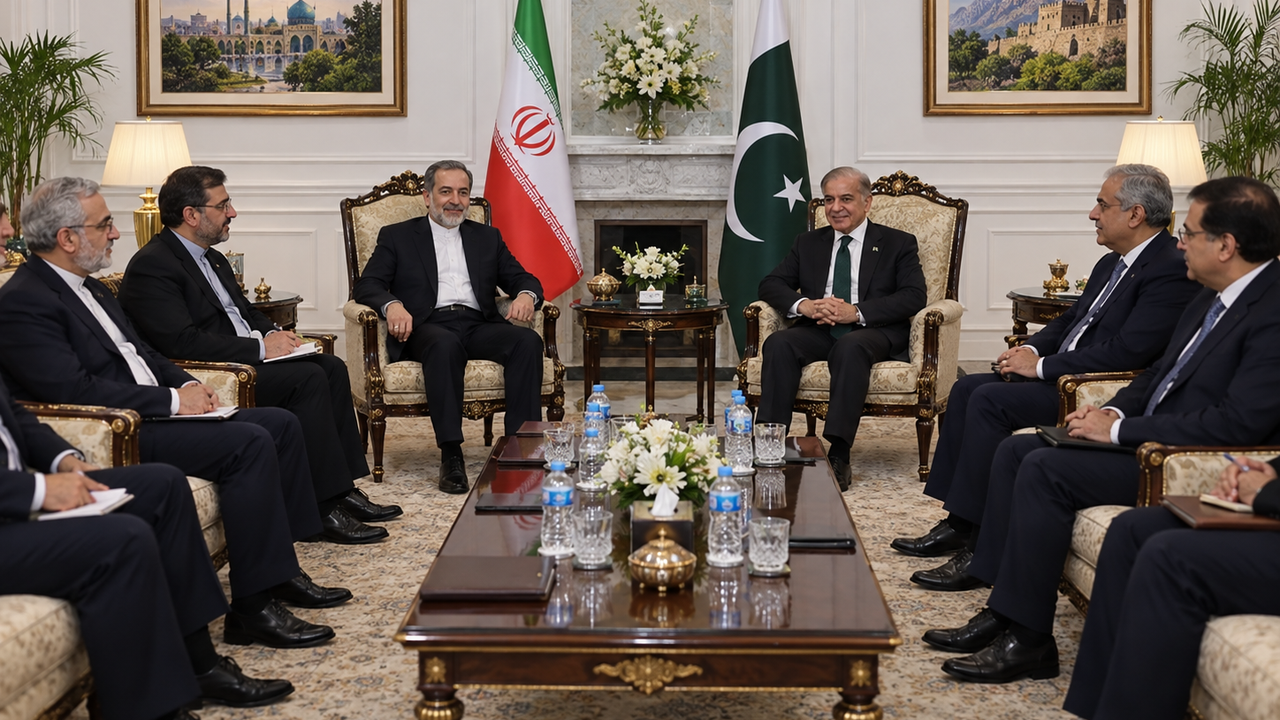
In August 2026, the two countries concluded the 10th Pakistan-Iran Joint Trade Committee session in Islamabad. According to Pakistan’s Press Information Department, both governments reaffirmed their shared goal of increasing annual bilateral trade to $10 billion.
Officials discussed progress on a proposed Pakistan-Iran Free Trade Agreement, tariff reductions, rules of origin and expanded barter trade. The two sides also agreed to strengthen business-to-business cooperation, customs coordination, transportation and logistics, border infrastructure and joint border markets to make commercial cargo movement easier.
What the Rs 68.7 Billion Figure Means
Pakistan and Iran share a long land border, giving trade between the two countries significant economic importance, particularly for border regions and businesses involved in regional commerce. At the same time, formal trade has faced challenges related to payment arrangements, logistics and wider geopolitical conditions.
Despite these obstacles, the latest numbers show continued growth in commercial activity. Pakistan’s $248 million — approximately Rs68.7 billion — in imports from Iran during just July and August 2026 represents a significant year-on-year increase and continues a broader trend of rising economic engagement.
If both countries successfully improve customs procedures, transport links, trade facilitation and formal commercial arrangements, bilateral trade could expand further toward the ambitious targets set by Islamabad and Tehran.
Reader feedback
Sign in to join the discussion.