Senate Committee Advances Proposal to Ban Energy Drinks in Islamabad Schools and Colleges
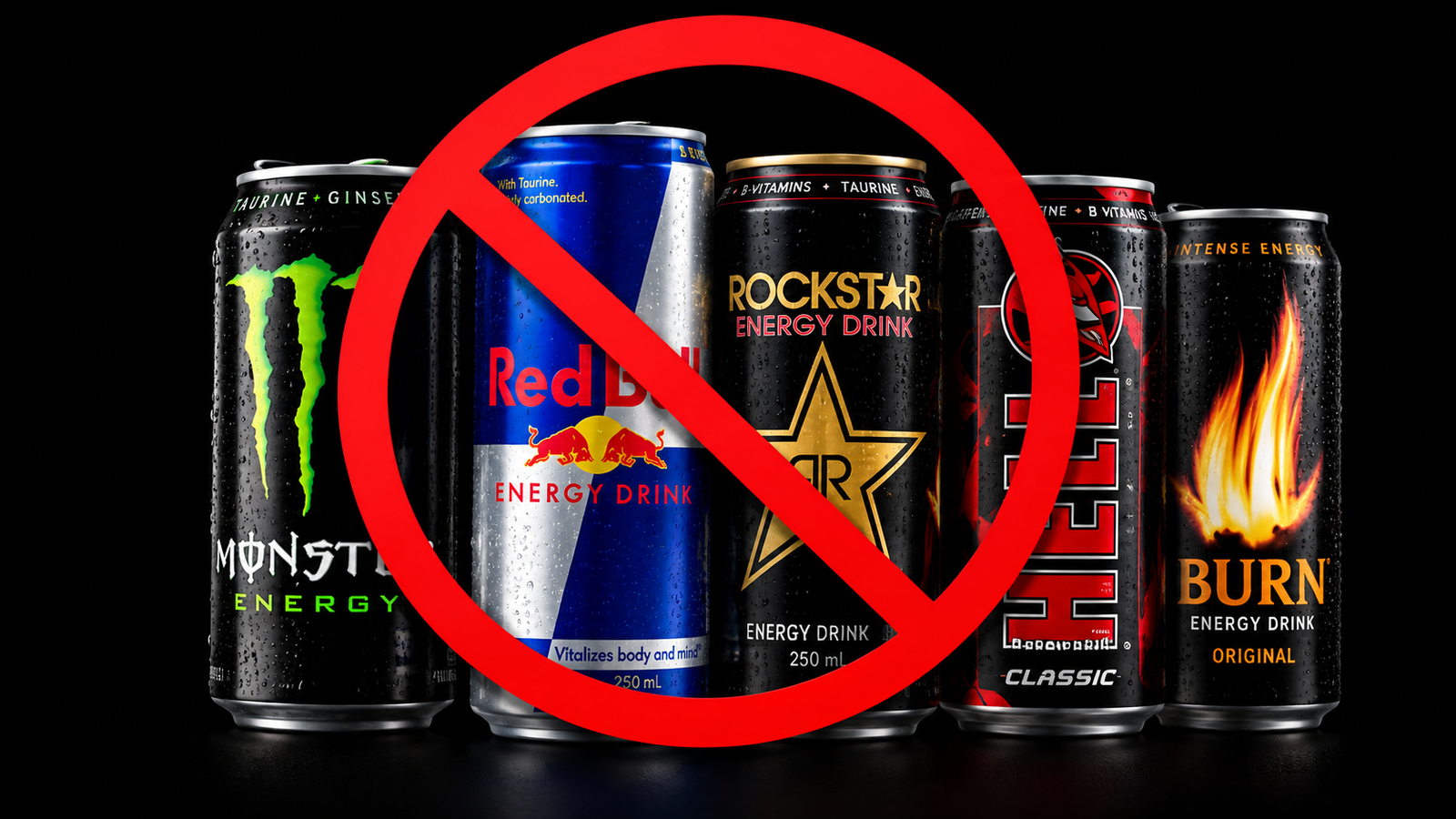
A proposal to restrict the sale and consumption of energy drinks in educational institutions has moved forward in Pakistan’s Senate committee process, amid growing concern over high-caffeine and high-sugar beverages consumed by children and teenagers.
The Senate Standing Committee on Science and Technology, chaired by Senator Kamil Ali Agha, considered the Islamabad Capital Territory Food Safety (Amendment) Bill, 2025 at Parliament House on September 9, 2026. The private member’s bill was introduced by Senator Samina Mumtaz Zehri and focuses on tighter regulation of high-sugar and high-caffeine beverages in Islamabad.
Several media reports described the committee as having approved a bill banning the sale of energy drinks at educational institutions in Islamabad. Those reports said proposed penalties included a Rs100,000 fine for a first violation and up to Rs200,000 for a second offence.However, the official Senate record provides an important clarification.
According to the Senate of Pakistan’s official statement, the committee discussed provisions concerning the sale and consumption of energy drinks in schools, colleges and their vicinity.
Rather than recording final passage of the food safety bill, the Senate stated that relevant amendments would be forwarded to the concerned authorities. The Interior Ministry and food safety authorities are expected to be invited to a future committee meeting for further consideration.
The Senate’s legislative record also currently lists the ICT Food Safety (Amendment) Bill, 2025 as pending with the Standing Committee on Science and Technology. This means the proposal should not yet be described as a nationwide law or an immediately enforceable ban.
The legislation is focused on the Islamabad Capital Territory, not every educational institution across Pakistan. Earlier official Senate proceedings said the bill seeks to regulate the availability and consumption of beverages containing high levels of sugar and caffeine, particularly among children and adolescents. The proposed changes would amend the existing Islamabad Capital Territory Food Safety Act, 2021.
During committee discussions, lawmakers raised concerns about energy drinks being heavily marketed to young consumers. Senator Zehri has argued that stricter controls are needed to reduce students’ exposure to beverages containing large amounts of caffeine and sugar. Senator Afnan Ullah Khan also raised concerns about sugary soft drinks during discussions, according to media reports.
Why Are Energy Drinks a Concern for Children?
Health concerns surrounding energy drinks are not limited to Pakistan.
The US Centers for Disease Control and Prevention says energy drinks commonly contain large quantities of caffeine, added sugars and other stimulants. These stimulants can increase heart rate, blood pressure and breathing, while high caffeine intake may have harmful effects on young people.
The American Academy of Pediatrics has also discouraged energy-drink consumption among children and adolescents because of their stimulant content.
It is important, however, to distinguish evidence-based health concerns from individual claims made during political discussions. Specific claims that a particular colour of energy drink directly causes heart attacks, for example, should not be treated as established medical fact without supporting scientific evidence.
What Happens Next?
The proposed restrictions still have legislative and regulatory steps ahead.
The Senate committee plans further consultation with relevant government and food-safety authorities before finalising the proposed measures. Even if the committee ultimately recommends the bill, it would still need to complete the required parliamentary process before becoming enforceable law.
For now, the development represents a significant push toward tighter regulation of energy drinks around Islamabad’s schools and colleges rather than a completed nationwide ban.
If adopted, the measure could mark another step toward regulating high-caffeine and high-sugar beverages in places where children and teenagers spend much of their day.
Reader feedback
Sign in to join the discussion.